Back
Promoting Income Generation programs.
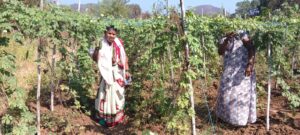
Sustainable development begins with sustainable income. In rural and tribal communities, economic insecurity often limits access to education, healthcare, and basic necessities. Promoting income generation programs is therefore not just about earning money, but about restoring stability and dignity.

Income generation initiatives focus on strengthening local capacities and building skills that respond to the realities of village life. Agriculture based activities, livestock rearing, small scale production, and value addition to local resources provide families with practical opportunities to increase household income.

When families gain a steady source of income, their dependence on seasonal labour reduces. Children are able to continue their education, nutrition improves, and long term planning becomes possible. Income generation programs create a foundation for self reliance and resilience.

True empowerment begins when communities move from survival to sustainability.

Knowledge transforms potential into power. Training and exposure programs are designed to equip individuals and groups with the skills, confidence, and awareness necessary for growth.

Training sessions focus on practical skills, financial literacy, leadership development, and awareness of government schemes. Exposure visits allow community members to learn from successful models in other regions. Seeing progress elsewhere inspires confidence and broadens perspective.

Such programs do more than transfer information. They build self belief. Participants return to their villages with renewed motivation and practical ideas for implementation.

Training strengthens capacity. Exposure expands vision. Together, they create informed and confident communities capable of driving their own development.

Micro enterprises provide a powerful pathway toward economic independence, especially for rural women and small farmers. With limited investment and locally available resources, individuals can begin small businesses that generate consistent income.

These enterprises may include food processing, handicrafts, tailoring, agricultural products, or service based activities. The focus is on practical ventures that suit local demand and skills.

Promoting micro enterprises encourages entrepreneurship at the grassroots level. It reduces dependence on external employment and creates opportunities within the community itself.

When small enterprises succeed, they strengthen local economies and inspire others to take initiative. Growth at the micro level leads to transformation at the community level.

Sustainable development cannot be achieved without gender equality. Gender sensitisation programs aim to create awareness about equal rights, shared responsibilities, and mutual respect within families and communities.

These initiatives address issues such as discrimination, unequal access to resources, and limited participation of women in decision making. Through discussions, workshops, and community meetings, both men and women are encouraged to reflect on traditional practices and embrace inclusive values.

Promoting social and economic equality ensures that women have access to education, livelihood opportunities, and leadership roles. When equality becomes a shared commitment, communities grow stronger and more harmonious.

Development is meaningful only when it includes everyone. Equality is not only a right. It is the foundation of lasting progress.

Promoting Income Generation programs.

Sustainable development begins with sustainable income. In rural and tribal communities, economic insecurity often limits access to education, healthcare, and basic necessities. Promoting income generation programs is therefore not just about earning money, but about restoring stability and dignity.

Income generation initiatives focus on strengthening local capacities and building skills that respond to the realities of village life. Agriculture based activities, livestock rearing, small scale production, and value addition to local resources provide families with practical opportunities to increase household income.

When families gain a steady source of income, their dependence on seasonal labour reduces. Children are able to continue their education, nutrition improves, and long term planning becomes possible. Income generation programs create a foundation for self reliance and resilience.

True empowerment begins when communities move from survival to sustainability.

Knowledge transforms potential into power. Training and exposure programs are designed to equip individuals and groups with the skills, confidence, and awareness necessary for growth.

Training sessions focus on practical skills, financial literacy, leadership development, and awareness of government schemes. Exposure visits allow community members to learn from successful models in other regions. Seeing progress elsewhere inspires confidence and broadens perspective.

Such programs do more than transfer information. They build self belief. Participants return to their villages with renewed motivation and practical ideas for implementation.

Training strengthens capacity. Exposure expands vision. Together, they create informed and confident communities capable of driving their own development.

Micro enterprises provide a powerful pathway toward economic independence, especially for rural women and small farmers. With limited investment and locally available resources, individuals can begin small businesses that generate consistent income.

These enterprises may include food processing, handicrafts, tailoring, agricultural products, or service based activities. The focus is on practical ventures that suit local demand and skills.

Promoting micro enterprises encourages entrepreneurship at the grassroots level. It reduces dependence on external employment and creates opportunities within the community itself.

When small enterprises succeed, they strengthen local economies and inspire others to take initiative. Growth at the micro level leads to transformation at the community level.

Sustainable development cannot be achieved without gender equality. Gender sensitisation programs aim to create awareness about equal rights, shared responsibilities, and mutual respect within families and communities.

These initiatives address issues such as discrimination, unequal access to resources, and limited participation of women in decision making. Through discussions, workshops, and community meetings, both men and women are encouraged to reflect on traditional practices and embrace inclusive values.

Promoting social and economic equality ensures that women have access to education, livelihood opportunities, and leadership roles. When equality becomes a shared commitment, communities grow stronger and more harmonious.

Development is meaningful only when it includes everyone. Equality is not only a right. It is the foundation of lasting progress.

Sarva Vikas Deep